what is automation
Jun 20, 2023
Automation refers to the process by which a machine or device is automatically operated or controlled according to a prescribed procedure or instruction without human intervention. Automation application fields can be divided into office automation, machinery automation, information automation, industrial automation, sewage treatment automation, etc., which are widely used. Combining automation technology more extensively with modern technologies in various places, especially computer technology and cybernetics, is developing from the automation of physical activities to the automation of information activities. The use of automation technology can not only liberate people from heavy physical labor, part of mental work, and harsh and dangerous working environments, but also expand human organ functions, greatly improve labor productivity, and enhance human ability to understand and transform the world.
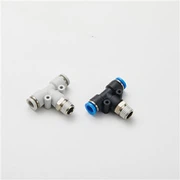
Pure Copper Pneumatic Quick Joint
Automation is a general term for information processing and process control such as measurement and manipulation according to expected goals without the need for direct human intervention by machines or production processes. Automation technology is to explore and research the methods and technologies to realize the automation process. It is a comprehensive technology involving mechanical, microelectronic, computer, and other technical fields.

Automation is a dynamic development process. In the past, people's understanding of automation, or the functional goal of automation, was to replace human operations with mechanical actions and automatically complete specific tasks. This is essentially the idea that automation replaces human manual labor. Later, with the development of electronics and information technology, especially with the emergence and wide application of computers, the concept of automation has been expanded to use machines (including computers) not only to replace human physical labor but also to replace or assist mental work to automatically complete specific assignments.
The above concept of automation is also incomplete. It is a relatively narrow understanding to regard the functional goal of automation as replacing human physical or mental labor with machines. This kind of understanding even hinders the development of automation technology to some extent. For example, some people think that there are so many Chinese people that there is no great need for automation.
Automation has gone far beyond the above-mentioned traditional concepts and has broader and deeper connotations.
The broad connotation of automation includes at least the following points: In terms of form, manufacturing automation has three meanings: replacing human physical labor, replacing or assisting human mental work, and coordinating, managing, and controlling man-machine and the entire system in the manufacturing system. and optimization. In terms of function, automation replacing human physical labor or mental work is only a part of the automation function target system. The functional goals of automation are multifaceted and have formed an organic system. In terms of scope, manufacturing automation not only involves specific manufacturing processes but also all processes in the product life cycle.
Automation is a dynamic concept with very broad and profound connotations. Research on manufacturing automation technology is very active.