Call Us: +8619925467112/+8615622511697Email: 15622511697@163.com
enLanguage

Pneumatic Quick Joint

What Is Pneumatic Quick Joint?


Pneumatic quick connector is a kind of quick connector which is mainly used for air piping and pneumatic tools. It can connect or disconnect pipelines without tools.

It is mainly used for pneumatic equipment, fixture and workshop gas pipeline. Of course, there are also a small number of plastic factories or mold factories that are used to transport water on the molds. The cost is low, but they can't withstand the water temperature above 60 degrees. The service life is not long, and they are easy to break down, because the pneumatic joint is originally used for luck, not water transport.


Advantages of Pneumatic Quick Joint
 

Decreased vibration & harshness
Constantly working with vibrating equipment and tools can cause operators to develop certain health conditions. Ranging from damage to joints to damage to sensory nerves, operators within the material handling equipment industry face long-term consequences. At a sharp contrast, air casters eliminate the presence of vibration, leading operators to use these systems with no hassles or inconveniences.


Increased versatility air bag jack
Making the investment worthwhile, a pneumatic system works in areas where overhead lifts, forklifts, and cranes fail to work. Making the process of spinning a load or taking a u-turn easy, these systems allow operators to practice heightened maneuverability when moving around the load. Completing equipment movement in any location of the factory production space, these systems prove their efficacy as a flexible and omnidirectional system.


Increased safety
Be it air lifting bags or air pallets, they are far safer when compared to traditional moving equipment. Banking upon their superior engineering and value-driven quality manufacturing, hovair manufactures pneumatic systems that are safe for use. Loading on loads of different shapes, sizes, and materials, these systems stop working when overloaded. In doing so, they protect the user operating the system and the personnel working around the unit. Similarly, with no extensive pulling or pushing necessitated, the probability of risks are mitigated.


Doesn&#;t entail extensive repair & maintenance
Unlike conventional equipment, pneumatic systems don&#;t require lubrication or consistent maintenance. Running continuously for a long period, they are to be simply cleaned with water and soap. Thus, reducing the operator&#;s cost of following up on a maintenance schedule. Comprising no moving parts, they are a cost-effective solution for all material handling spaces.


No damage to the flooring
Riding on a cushion of air, the moving load and the floor have no contact. Spreading the load over a larger surface area, there is minimal to no risk to the structural foundation of the floors. Using wheels to move around loads can cause dents or damage to the floor, owing to the friction. Not bearing any damage to expensive flooring, these systems spare manufacturers the cost of frequently renovating their assembly unit.


Increased productivity
Owing to the functionality of the system, a single person can move around a load weighing close to 5,000lbs. With such flexibility, one employee gets to execute the entire job, without requiring the need to involve several different hands and therein waste productive hours.


No need for a power source
Relying on compressed air, a pneumatic system doesn&#;t require an electrical power source. This leads operators to feasibly execute jobs around the production unit and not worry about any sparks igniting an explosion. With such reliability, safety, and elimination of down-time involved, these systems work to make the lives of manufacturers and operators easy.

 

Why Choose Us

State-of-the-art equipment

The company's products are widely used in mechanized textile industry equipment, food and medical chemical equipment, auto parts, and various automation equipment.


High-quality products

The company implements ISO9001 quality system management, through the continuous introduction of new equipment, improve technology, and adopt advanced equipment testing equipment, so as to improve the quality of our products.

Professional staff

There are about 200 people in the whole company, and the company's purpose is to do only one professional thing, which is to specialize in the production of joints.

One-stop solution

The company's products are sold at home and abroad. We are committed to solving problems for our customers, and we will be your best choice!


Types of Pneumatic Quick Joint


Standard air couplings
These couplings have two parts: the socket with internal threading and the plug or nipple with external threading. These couplings used to connect air hoses to air tools and maintain pressure during disconnection.

Push-to-connect fittings
Push-to-connect fittings, also known as push-in fittings, have an internal gripping mechanism that securely holds a hose or tube once inserted. These fittings enable rapid connections without requiring additional tools.

Push-on fittings
Push-on fittings, or push-fit fittings, connect plastic or copper tubes by utilizing stainless steel teeth within the fitting. These teeth dig into the tube upon locking, enabling a quick and strong connection.

Safety couplings
Safety couplings safely interrupt air flow when disconnected, preventing whip effects that can damage the air tool and endanger the user. These couplings comply with safety standards ISO 4414 and EN 983, ensuring optimal user safety during their application.

Large air couplings
Large air couplings have diameters ranging from 10 to 19 mm and are for high-flow applications. These couplings are used in heavy machinery, construction equipment, and industrial settings.

Color coded air couplings
Color coded air couplings have colored labels. Each different color has a different shaped connection. Couplings of different colors are incompatible, ensuring that only matching plugs and sockets can be connected. This system helps prevent accidents during operation, particularly when dealing with multiple gas lines that must not mix.

Air coupling manifolds and multilinks
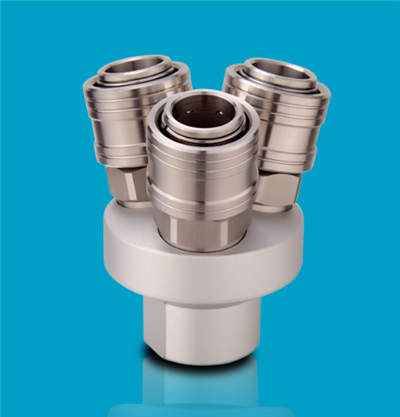
Air coupling manifolds and multilinks allow multiple air hoses to connect to a single air supply. They come in various designs and feature automatic shut offs so unused ports do not leak compressed air.

Claw couplings
Claw couplings have two claws on each side that connect by pushing and turning the two sides of the coupling together. They are used in harsh environments with larger air flows and hoses.

Compression fitting
Compression fittings have a nut and a ring that slide onto the pipe. By tightening the compression nut to the fitting's body, a secure connection is created. These fittings are highly convenient for quick and effortless connections.


Application of Pneumatic Quick Joint
纯铜气动快速接头
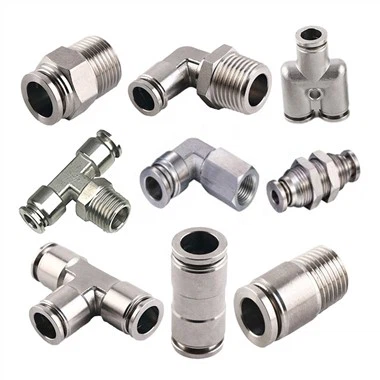
不锈钢气动快速接头
不锈钢气动快速接头
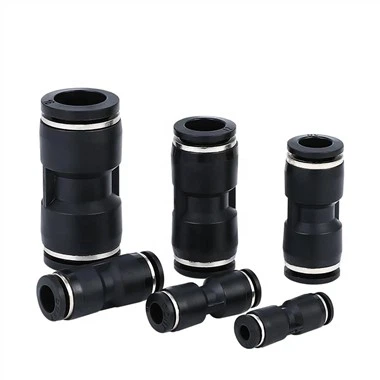
塑料气动快速接头

Manufacturing and assembly
Pneumatic quick joints are used extensively in automated manufacturing processes, such as assembly lines, packaging equipment, and robotics. They provide precise control of the air flow required to actuate and control pneumatic cylinders, valves, and other components.

Automotive and transportation
Pneumatic quick joints are used in air brake systems on commercial trucks and buses, as well as in the suspension systems of trains and heavy machinery. In automotive assembly, pneumatic quick joints are used to provide precise control of air flow in power tools and equipment.

Construction and mining
Pneumatic quick joints are used in the operation of various construction and mining equipment, such as jackhammers, air compressors, and rock drills.

Agriculture and farming
Pneumatic quick joints are used in agricultural equipment such as seed drills, harvesters, and grain storage systems. They provide reliable and precise control of the air flow required for the operation of various pneumatic components.

Aerospace and aviation
Pneumatic quick joints are used in various aircraft systems, such as pneumatic actuators, landing gear systems, and cabin pressure control systems.

Marine and offshore
Pneumatic quick joints are used in various marine systems, such as steering and propulsion systems, and in offshore oil and gas drilling and production equipment.

Food and beverage processing
Pneumatic quick joints are used in food and beverage processing equipment, such as bottling and packaging machines, where they provide reliable and clean connections for compressed air and other gases.

Pharmaceutical and medical
Pneumatic quick joints are used in various medical devices, such as ventilators, oxygen concentrators, and anesthesia machines. They provide a safe and reliable connection for the flow of medical gases.

Chemical and petrochemical
Pneumatic quick joints are used in various chemical and petrochemical processing equipment, where they provide reliable and precise control of the air flow required for the operation of various pneumatic components.

Energy and utilities
Pneumatic quick joints are used in various energy and utilities systems, such as gas pipelines, water treatment plants, and power generation equipment, where they provide reliable and precise control of the air flow required for the operation of various pneumatic components.


Components of Pneumatic Quick Joint


Aluminum
Aluminum is lightweight and corrosion-resistant. It has low tensile strength and is accepted for its low density and corrosion resistance in low-pressure applications. It is mixed with zinc, silicon, copper, manganese, and/or other metals to increase its strength and hardness.

Brass
Brass is strong, corrosion-resistant, durable, has high-temperature ductility and good conductivity. Brass is a combination of copper and zinc. It is the most typical metal for smaller compression and threaded fitting standards of pneumatic systems due to its machinability and its outstanding performance properties.

Steel
Steel is durable and strong and has high resistance to heat. Steel is a combination of iron and carbon; it is usually alloyed with other metals to increase its corrosion resistance. Galvanized steel is coated with zinc for rust protection and chemical resistance.

Stainless steel
Stainless steel is a strong material with superior chemical and corrosion resistance. Stainless steel is a combination of steel that comprises over 10.5% chromium. It has the durability and strength of steel while also presenting excellent corrosion resistance, however at a higher cost.

Plastics
Fittings can be manufactured with plastic materials such as Polypropylene, Fluororesins.

Fluororesins
Polytetrafluoroethylene (PTFE) and polyvinylidene fluoride (PVDF) are fluorocarbon-based polymers typically used for temperature conditions above 500°F (250°C). They present excellent chemical resistance and dielectric properties.

Polypropylene
Polypropylene is a thermoplastic material used extensively for pneumatic fittings due to broad material compatibility, price, and durability. It shows excellent cold flow, bi-axial strength, and yield elongation features and can be used in exposed applications as it is resistant to weathering, UV, and ozone.

Composites
Composite fittings are made from combinations of materials, such as fiberglass, carbon, and graphite. These materials have high melting points and are construction materials for applications that need high-temperature durability and chemical resistance. They also display thermal conductivity and low electrical .


How to Choose a Pneumatic Quick Joint

Compatibility

Ensure compatibility between the coupler and your pneumatic tools and equipment. Consider factors such as thread size, connection type, and flow capacity to ensure a secure and reliable connection.

01

Pressure rating

Check the pressure rating of the pneumatic coupler to ensure it can handle the operating pressure of your pneumatic system. Choose couplers with a pressure rating that exceeds the maximum operating pressure to prevent leaks or failure under high-pressure conditions.

02

Flow capacity

Consider the flow capacity of the pneumatic coupler, which determines the maximum airflow rate that can pass through the coupling. Choose couplers with adequate flow capacity to prevent restrictions and ensure optimal performance of your pneumatic tools and equipment.

03

Material construction

Pay attention to the material construction of the pneumatic coupler, as it affects durability, corrosion resistance, and compatibility with different media. Common materials used for pneumatic couplers include brass, steel, aluminum, and various types of plastics.

04

Locking mechanism

Evaluate the locking mechanism of the pneumatic coupler, which determines how securely the plug and socket are held together. Choose couplers with robust locking mechanisms that provide a secure connection and prevent accidental disengagement during operation.

05


Safety Precautions When Using the Pneumatic Quick Joint
 

Pneumatic quick joints are only suitable for gas, nitrogen, helium and other vapors, and are not suitable for other liquids other than vapors

When applying, pay attention not to exceed the rated working pressure range;

The pneumatic quick joint cannot exceed the rated temperature range. High temperature can easily cause deformation and leakage of the sealing ring, resulting in damage. Please clarify the applicable temperature range before use;

When using pneumatic quick joints, pay attention to precise positioning and positioning to prevent damage to the sealing ring caused by the product nozzle;

Pay attention to the application situation during application. It should not be mixed with metal powder or dust, which will cause damage or blockage of the joint, poor work or leakage.

When using pneumatic quick joints, special attention should be paid to removing the residue on the surface of the product nozzle on time; when pneumatic quick joints are not used, the anti-fouling cap should be closed immediately to prevent dust from entering, and dry and naturally ventilated. At the same time, regular maintenance increases the service life of the pneumatic quick joint and reduces the cost of the enterprise.

Please do not disassemble or assemble the joint structure by yourself. Damaged parts must be replaced during the entire application process. Please specify the size and model specifications before disassembly. It doesn't have to be replaced immediately. The internal structure design of the pneumatic quick joint is precise, and it is very easy to be damaged by self-disassembly.


How to Install The Pneumatic Quick Joint


Tools
Prepare the pipe fitting, the pipe, a cutting tool, a deburring tool, and thread sealant or Teflon tape if necessary.

Turn off pressure
Make sure the pneumatic system is turned off, and all pressure is removed.

Measure and cut the pipe
Measure the length of pipe necessary for the application. Use a cutting tool, such as a copper or PVC pipe cutter, to make a square cut. Do not crush or deform the pipe because this can damage the fitting.

Deburr the pipe
Use the deburring tool to smoothen and remove sharp edges from the pipe's cut end. Any sharp edges can damage the fitting.
Tape or sealant (if necessary): If the specific fitting's installation instructions state that thread tape or sealant is necessary, apply the necessary component to the fitting's male threads.

Put the pipe in the fitting
If the fitting is push-to-connect, also known as push-fit, push the pipe into the fitting until it bottoms out. If the fitting is different, such as or barbed, tighten a nut or slide a clamp over the pipe before inserting it into the fitting.

Inspect
Check that the pipe is fully inserted into the fitting and there are no misalignments or gaps. Gently pull the pipe to ensure it's securely in place.

Test
Turn the pneumatic system back on and gradually increase the pressure. Inspect the fitting for any leaks or other issues. If there are issues, turn the system off, relieve the pressure, and reinstall the fitting.


What Are the Trends and Development Directions of Pneumatic Quick Joint in the Market


1. Pneumatic servo positioning system products have entered the market

The system uses a three-position five-way pneumatic servo valve to compare the predetermined positioning target with the detection data of the position sensor and implement negative feedback control. When the maximum speed of the cylinder is 2m/s and the stroke is 300mm, the system positioning accuracy is ±0.1mm.

2. The development of intelligent pneumatic components

Cylinders with switches have been widely used in China. The switch will be smaller in size and higher in performance. It can be embedded in the cylinder body; some also have a two-color display to display the position error, making the system more reliable. Using sensors instead of flow meters and pressure gauges can automatically control the flow and pressure of compressed air, which can save energy and ensure the normal operation of the device.

3. Pneumatic components are developing towards higher safety and reliability.

It can be seen from the international standards of pneumatic technology in recent years that the standards not only put forward the requirements of interchangeability, but also emphasize safety. The pressure resistance test pressure of pipe joints, air source processing shells, etc. is increased to 4~5 times the use pressure, and the pressure resistance time is increased to 5~15min. High and low temperature tests are also required. If these international standards are implemented, it will be difficult for domestic cylinder bodies, end covers, gas source treatment castings and pipe joints to meet the standard requirements. In addition to the pressure test, some structural regulations are also made (such as the transparent shell of the gas source treatment must be equipped with a metal protective cover).

4. The expansion of the application field of pneumatic component technology is a sign of the development of the pneumatic industry

The application of pneumatic components is mainly in two aspects: maintenance and matching. In the past, the sales of domestic pneumatic components were used for maintenance. In recent years, the sales share of direct matching components has increased year by year. The application fields of domestic pneumatic components range from metallurgical equipment worth tens of millions of yuan to chairs worth only 1 to 200 yuan. Railway switch machines, locomotive wheels and rails


FAQ


Q: What is a pneumatic quick joint?

A: A pneumatic quick joint is a mechanical coupling that allows for rapid connection or disconnection of two components using compressed air.

Q: How does a pneumatic quick joint work?

A: It utilizes a piston mechanism driven by compressed air to push the male part into the female part, creating a tight seal.

Q: What are the benefits of using a pneumatic quick joint?

A: It offers fast and efficient assembly and disassembly, reduces labor costs, and improves safety.

Q: What industries use pneumatic quick joints?

A: They are widely used in automotive, manufacturing, construction, and robotics.

Q: What materials are pneumatic quick joints made from?

A: Common materials include steel, aluminum, and brass, chosen for their durability and compatibility with pneumatic systems.

Q: How do you select the right pneumatic quick joint?

A: Consider the pressure rating, flow rate, connection size, and environmental conditions.

Q: What is the life expectancy of a pneumatic quick joint?

A: It depends on usage and maintenance but can range from thousands to millions of cycles.

Q: How do you install a pneumatic quick joint?

A: Ensure the components are clean and aligned, then connect the hoses and test for leaks.

Q: What maintenance is required for pneumatic quick joints?

A: Regular lubrication, inspection for wear, and replacement of damaged parts.

Q: How do you troubleshoot a faulty pneumatic quick joint?

A: Check for leaks, ensure proper alignment, and inspect for damage.

Q: Can a pneumatic quick joint be repaired?

A: Minor leaks can often be fixed with thread sealant or clamps; severe damage requires replacement.

Q: What safety precautions should be taken with pneumatic quick joints?

A: Wear protective gear, avoid loose clothing, and keep hands clear during operation.

Q: What are the common causes of pneumatic quick joint failure?

A: Improper installation, lack of maintenance, and using incorrect specifications.

Q: How do you prevent leaks in pneumatic quick joints?

A: Use quality hoses and fittings, apply thread sealant, and check connections regularly.

Q: What is the difference between a pneumatic quick joint and a manual quick release coupler?

A: Pneumatic quick joints are automatic and require air pressure, while manual couplers need physical force to connect or disconnect.

Q: Can a pneumatic quick joint handle high pressures?

A: Yes, but it must be designed for the specific pressure range.

Q: What is the effect of temperature on pneumatic quick joint performance?

A: Extreme temperatures can affect material properties and sealing effectiveness, potentially leading to leaks or reduced performance.

Q: Are pneumatic quick joints compatible with all types of pneumatic systems?

A: Most are universal, but some may have design-specific requirements.

Q: How do you choose the correct size of pneumatic quick joint?

A: Match the joint size to the hose diameter and consider the required flow rate.

Q: What advancements are being made in pneumatic quick joint technology?

A: Developments include improved sealing materials, enhanced durability, and integration with smart monitoring systems.

(0/10)

clearall